
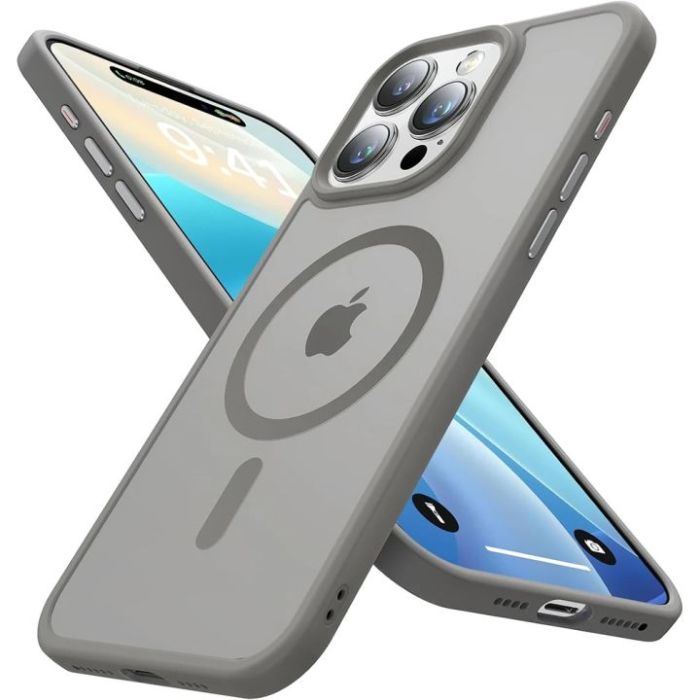
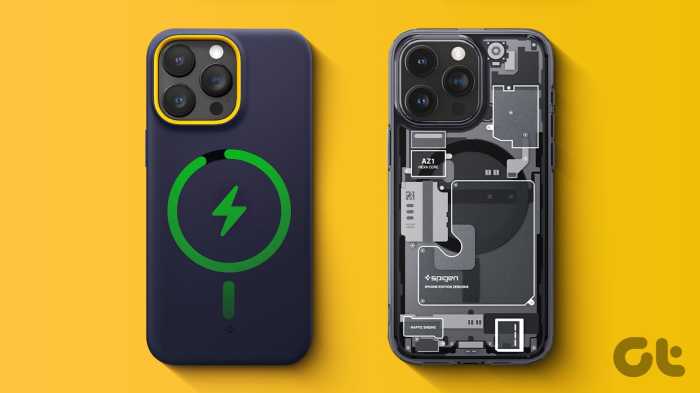
Premium iPhone 15 MagSafe cases offer a stylish and functional way to protect your new device. These cases seamlessly integrate with Apple’s MagSafe technology, allowing for easy wireless charging and accessory attachment. This blend of protection and convenience makes them a popular choice for iPhone 15 owners who value both form and function. We’ll explore the key features and benefits of choosing a premium MagSafe case for your iPhone 15.
Consider factors like material durability (leather, silicone, clear), design aesthetics (minimalist, colorful, rugged), and added features (wallet integration, screen protection) when selecting the perfect case. A premium case not only safeguards your investment but also elevates the overall user experience.
The iPhone. A name synonymous with innovation, style, and a significant portion of the global smartphone market. Since its groundbreaking debut in 2007, the iPhone has revolutionized the way we communicate, access information, and interact with technology. This comprehensive guide delves into the history, features, specifications, and future prospects of this iconic device, providing a detailed overview for both seasoned users and curious newcomers.
A Look Back: The Evolution of the iPhone
The journey of the iPhone is a fascinating narrative of technological leaps and strategic market maneuvers. From its humble beginnings as a revolutionary touchscreen device, it has evolved into a sophisticated ecosystem encompassing a vast array of models, services, and accessories. Let’s trace the key milestones:
The Original iPhone (2007): A Paradigm Shift
The first iPhone, launched in 2007, was nothing short of revolutionary. Its sleek design, intuitive multi-touch interface, and App Store (introduced later) redefined the smartphone experience. While its specifications seem modest by today’s standards (a 3.5-inch screen, 4GB of storage), its impact was monumental. [Source: Apple Newsroom ]
The iPhone 3G and 3GS (2008-2009): Expanding Connectivity and Performance
The iPhone 3G brought 3G connectivity to the mix, significantly improving data speeds and mobile internet access. The 3GS further enhanced performance and added features like video recording. These iterations solidified the iPhone’s position in the rapidly growing smartphone market.
The iPhone 4 and 4S (2010-2011): Retina Display and Siri’s Debut
The iPhone 4 introduced the stunning Retina display, setting a new benchmark for screen clarity and sharpness. The iPhone 4S marked the arrival of Siri, Apple’s groundbreaking virtual assistant, ushering in a new era of voice-controlled interactions. [Source: Wikipedia ]
The iPhone 5 and 5S (2012-2013): A Taller Screen and 64-bit Processing
The iPhone 5 brought a taller, 4-inch display and a slimmer design. The 5S introduced the A7 chip, Apple’s first 64-bit mobile processor, significantly boosting performance and paving the way for future advancements. The inclusion of the Touch ID fingerprint sensor also enhanced security.
The iPhone 6 and 6 Plus (2014): Larger Screens for a Wider Audience
Responding to market demand, Apple launched the iPhone 6 and 6 Plus, featuring larger 4.7-inch and 5.5-inch displays respectively. This move broadened the iPhone’s appeal to users who preferred larger screens for media consumption and multitasking.
The iPhone 7 and 7 Plus (2016): Water Resistance and Dual Cameras
The iPhone 7 series introduced water resistance, a much-requested feature. The iPhone 7 Plus also featured a dual-camera system, enhancing photographic capabilities with improved zoom and portrait mode. [Source: Apple Website ]
The iPhone X (2017): A Revolutionary Design and Face ID
The iPhone X marked a significant design departure, introducing an almost bezel-less display and Face ID, a revolutionary facial recognition system replacing Touch ID. This phone showcased Apple’s commitment to pushing the boundaries of smartphone design and security.
The iPhone 11, 12, 13, and 14 Series (2019-Present): Refinements and Enhancements
The subsequent iPhone generations have focused on iterative improvements, enhancing camera systems, processors, battery life, and display technologies. Each new release builds upon the innovations of its predecessors, offering increasingly sophisticated features and performance.
Key iPhone Features and Specifications
iPhones are known for their seamless integration of hardware and software, delivering a polished and user-friendly experience. Here are some key features and specifications that contribute to their success:
Operating System (iOS):
iPhones run on iOS, Apple’s proprietary mobile operating system. Known for its intuitive interface, robust security, and regular updates, iOS provides a smooth and consistent user experience. The App Store, a central hub for downloading and installing apps, further enhances the functionality and personalization of the device. [Source: Apple Website ]
A-Series Processors:
Apple’s custom-designed A-series processors power iPhones, delivering exceptional performance and efficiency. These processors are known for their speed, power management, and graphical capabilities, enabling smooth multitasking and demanding applications.
Camera Systems:
iPhones boast advanced camera systems, consistently ranking among the best in the smartphone industry. Features like computational photography, night mode, and cinematic mode enhance image and video quality, enabling users to capture stunning visuals.
Display Technology:, Premium iPhone 15 MagSafe case
From the original iPhone’s relatively small display to the large, high-resolution screens of modern iPhones, display technology has been a key area of improvement. Features like Super Retina XDR displays offer vibrant colors, high contrast ratios, and exceptional clarity.
Security Features:
Security is a paramount concern for Apple. Features like Face ID, Touch ID, and end-to-end encryption protect user data and privacy. Regular software updates address security vulnerabilities, ensuring the ongoing protection of the device and its information.
The iPhone Ecosystem: More Than Just a Phone
The iPhone’s success isn’t solely attributable to the hardware; it’s also a product of the comprehensive ecosystem Apple has built around it. This ecosystem encompasses:
- Apple Watch: Seamlessly integrates with the iPhone for fitness tracking, notifications, and communication.
- AirPods and AirPods Pro: Wireless earbuds offering exceptional audio quality and convenient hands-free calling.
- iPad and Mac: Allows for seamless data transfer and continuity across devices via iCloud and AirDrop.
- iCloud: Provides cloud storage for photos, documents, and other data, accessible across all Apple devices.
- Apple Music and Apple TV+: Offers access to a vast library of music and original video content.
The Future of the iPhone: What to Expect: Premium IPhone 15 MagSafe Case
Apple continues to innovate, and the future of the iPhone promises further advancements. Expected developments include:
- Enhanced Augmented Reality (AR) capabilities: Integrating AR more seamlessly into everyday applications and experiences.
- Improved camera technology: Higher resolution sensors, improved low-light performance, and more advanced computational photography features.
- More powerful processors: Further enhancing performance and enabling more demanding applications.
- Sustainable design and manufacturing: Using more recycled materials and reducing the environmental impact of production.
- Advanced connectivity: Integration of 5G and potentially future wireless technologies.
Frequently Asked Questions (FAQ)
- What is the difference between iPhone models? Different iPhone models offer varying features, screen sizes, camera capabilities, and processing power. Higher-numbered models generally offer more advanced features and performance.
- How much does an iPhone cost? The price varies depending on the model and storage capacity. Generally, newer models are more expensive than older ones.
- How long do iPhones last? With proper care, iPhones can last for several years. Software updates and battery replacements can extend their lifespan.
- Is the iPhone better than Android phones? This is subjective. Both platforms offer compelling features and benefits. The best choice depends on individual preferences and needs.
- How do I choose the right iPhone for me? Consider your budget, desired features (camera, screen size, storage), and the overall ecosystem you want to be a part of.
Conclusion
The iPhone’s impact on the mobile technology landscape is undeniable. From its revolutionary debut to its ongoing evolution, the iPhone continues to set the standard for innovation, design, and user experience. Understanding its history, features, and future prospects is crucial for anyone navigating the ever-evolving world of smartphones. Whether you’re a long-time user or considering your first iPhone, this comprehensive guide provides valuable insights into this iconic device.
Call to Action
Ready to experience the power and innovation of the iPhone? Explore the latest models and find the perfect iPhone for your needs on the official Apple website today!
Question Bank
What materials are premium iPhone 15 MagSafe cases typically made from?
Premium cases often utilize materials like genuine leather, durable silicone, or clear, scratch-resistant polycarbonate.
Do all MagSafe cases offer the same level of protection?
No, the level of protection varies depending on the case’s design and materials. Some offer more drop protection than others.
How do I know if a case is truly MagSafe compatible?
Look for the official MagSafe logo on the packaging and product description. It should explicitly state MagSafe compatibility.