
iPhone 15 premium screen protectors represent a crucial investment for safeguarding your device’s stunning display. This discussion explores the various options available, focusing on features, benefits, and considerations to help you make an informed decision. We’ll delve into the importance of choosing a high-quality protector to prevent scratches, cracks, and other damage that can diminish the user experience and resale value.
Factors such as material, clarity, touch sensitivity, and ease of installation will be examined. We aim to provide a comprehensive overview, enabling you to select a screen protector that perfectly complements your iPhone 15 and your personal needs.
The iPhone. A name synonymous with innovation, design, and a seamless user experience. Since its groundbreaking debut in 2007, the iPhone has revolutionized the mobile phone industry, setting the standard for smartphones worldwide. This comprehensive guide delves into the history, features, specifications, and impact of the iPhone, offering a detailed overview for both seasoned Apple users and those considering joining the ecosystem.
We’ll explore everything from the latest iPhone models and iOS features to troubleshooting tips and accessories.
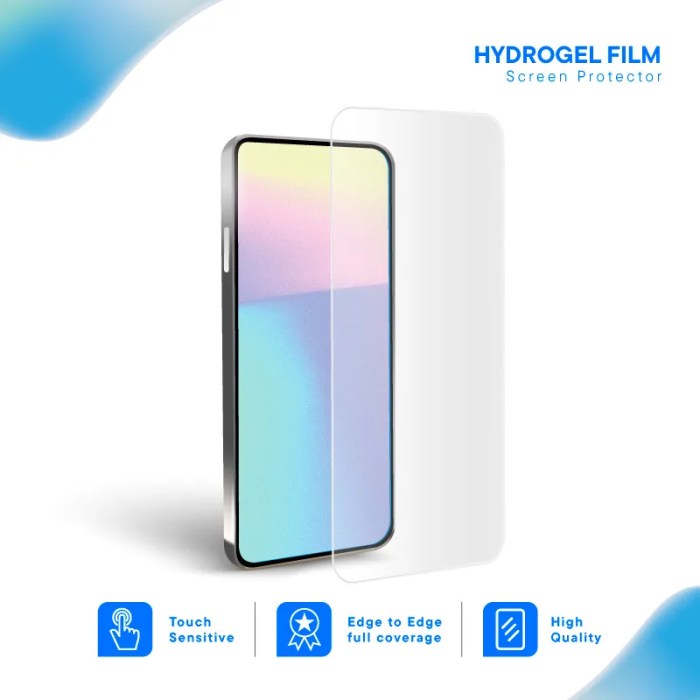
A Brief History of the iPhone: From Revolution to Evolution
The original iPhone, unveiled by Steve Jobs in January 2007, was more than just a phone; it was a paradigm shift. Its multi-touch interface, intuitive design, and App Store completely redefined how we interact with mobile technology. This initial model, with its sleek design and groundbreaking features like the revolutionary touchscreen, laid the foundation for the smartphone revolution.
[Source: Apple Newsroom ]
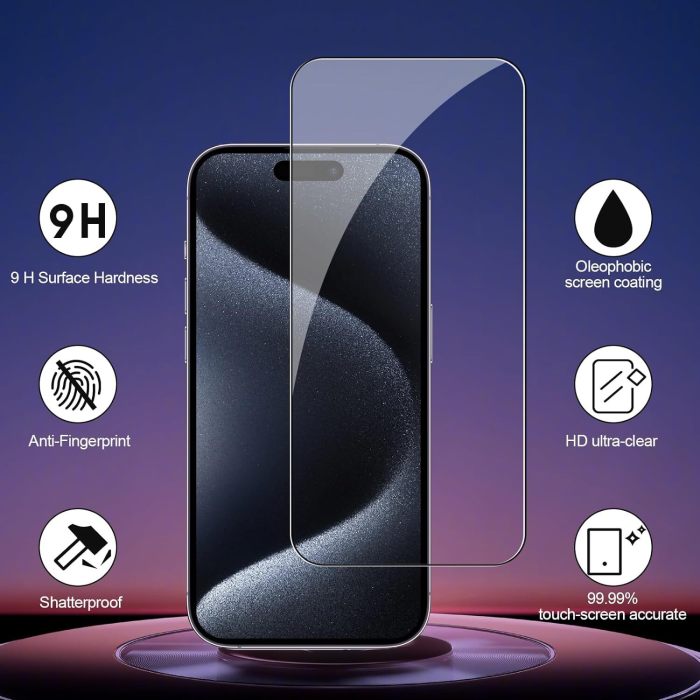
Key Milestones in iPhone History:, IPhone 15 premium screen protector
- 2007: The original iPhone is launched, introducing the world to the multi-touch interface and the App Store.
- 2008: The iPhone 3G arrives, bringing 3G connectivity and GPS capabilities.
- 2009: The iPhone 3GS improves performance and adds video recording.
- 2010: The iPhone 4 introduces a Retina display and a significant design overhaul.
- 2011: The iPhone 4S features Siri, Apple’s virtual assistant.
- 2012: The iPhone 5 introduces a taller screen and a thinner design.
- 2013: The iPhone 5s adds a fingerprint sensor (Touch ID) and the iPhone 5c offers a more affordable option.
- 2014: The iPhone 6 and 6 Plus introduce larger screens, catering to a wider audience.
- 2015: The iPhone 6s and 6s Plus enhance performance and introduce 3D Touch.
- 2016: The iPhone 7 and 7 Plus remove the headphone jack and introduce improved cameras.
- 2017: The iPhone 8, 8 Plus, and iPhone X mark a significant design change with the introduction of Face ID and an edge-to-edge display.
- 2018: The iPhone XR, XS, and XS Max offer a range of screen sizes and features.
- 2019: The iPhone 11, 11 Pro, and 11 Pro Max introduce a triple-lens camera system and improved performance.
- 2020: The iPhone 12 lineup brings 5G connectivity and a redesigned flat-edged design.
- 2021: The iPhone 13 series refines the design and improves camera capabilities.
- 2022: The iPhone 14 series introduces a new main camera sensor and improved safety features.
- 2023: The iPhone 15 series (anticipated) is expected to bring further advancements in processing power, camera technology, and potentially USB-C charging.
iPhone Models: A Comparison of Features and Specifications
Apple offers a range of iPhone models, each catering to different needs and budgets. Choosing the right iPhone depends on factors like screen size, camera quality, processing power, storage capacity, and price. Let’s look at some key differentiators:
Key iPhone Model Differences:
- Screen Size: iPhones range from compact models like the iPhone mini to larger Plus and Max models, offering varying screen real estate for different preferences.
- Camera System: From single-lens to triple-lens and even more advanced setups, the camera systems on iPhones have steadily improved, offering features like night mode, cinematic mode, and improved low-light performance. The iPhone’s camera is often lauded for its image quality and ease of use.
- Processing Power: Apple’s A-series chips power iPhones, offering increasingly powerful performance and efficiency with each generation. This translates to smoother multitasking, faster app loading, and improved gaming capabilities. Benchmarks consistently place Apple’s A-series chips among the top mobile processors.
- Storage Capacity: iPhones are available with varying storage options, allowing users to choose the amount of space needed for apps, photos, videos, and other data. Consider your storage needs carefully as upgrading storage later can be expensive.
- Price: The price of iPhones varies considerably depending on the model and storage capacity. Apple offers different pricing tiers to cater to a broad range of budgets, including refurbished models as a more budget-friendly option.
iOS: The Operating System Powering the iPhone: IPhone 15 Premium Screen Protector
iOS, Apple’s mobile operating system, is a key component of the iPhone experience. Known for its user-friendly interface, security features, and vast app ecosystem, iOS is consistently ranked among the top mobile operating systems globally. [Source: Statista ]
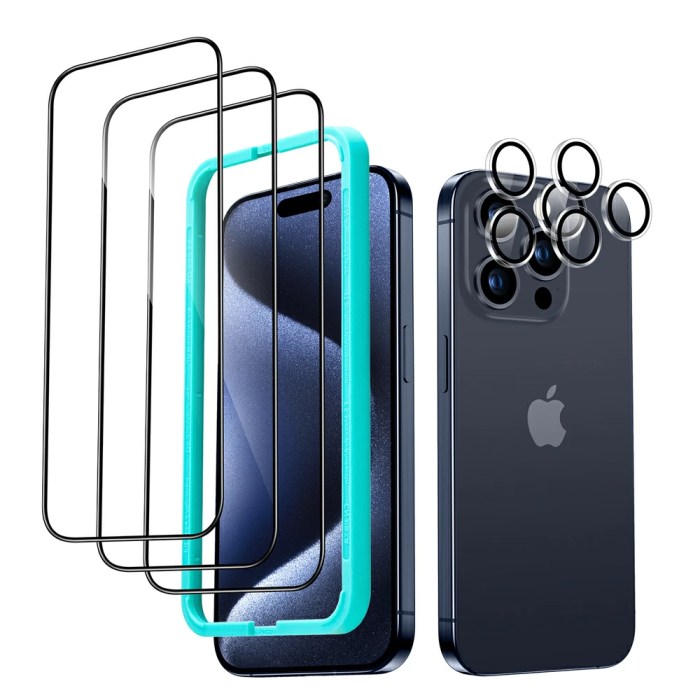
Key iOS Features:
- Intuitive User Interface: iOS is praised for its simplicity and ease of use, making it accessible to users of all technical skill levels.
- App Store: The App Store offers millions of apps, games, and other digital content, providing a vast ecosystem of functionalities and entertainment.
- Security and Privacy: Apple prioritizes security and privacy, implementing robust measures to protect user data and prevent unauthorized access.
- iCloud Integration: iCloud seamlessly integrates with iPhones, allowing users to store and access data across multiple Apple devices.
- Regular Updates: Apple regularly releases software updates to improve performance, add new features, and address security vulnerabilities.
iPhone Accessories: Enhancing Your iPhone Experience
A wide range of accessories is available to enhance the iPhone experience. These accessories can improve functionality, protect your device, or simply add a personal touch.
Popular iPhone Accessories:
- Cases: Protective cases shield your iPhone from scratches, drops, and other damage.
- Screen Protectors: Screen protectors safeguard your iPhone’s display from scratches and cracks.
- Wireless Headphones: AirPods and other wireless headphones offer a convenient and immersive audio experience.
- Power Banks: Power banks provide extra battery life when you’re on the go.
- Charging Docks: Charging docks offer a convenient way to charge your iPhone.
- Apple Watch: Seamlessly integrates with the iPhone for fitness tracking, notifications, and more.
Troubleshooting Common iPhone Issues
While iPhones are generally reliable, occasional issues can arise. Here are some common problems and their solutions:
Common iPhone Problems and Solutions:
- Slow Performance: Restart your iPhone, update iOS, delete unused apps, and offload unused photos and videos.
- Battery Issues: Optimize battery settings, update iOS, and consider replacing your battery if necessary.
- Connectivity Problems: Check your Wi-Fi or cellular data connection, restart your iPhone, and reset network settings.
- App Crashes: Update the app, reinstall the app, or contact the app developer.
- Software Glitches: Update iOS, restore your iPhone from a backup, or contact Apple Support.
Frequently Asked Questions (FAQ)
- Q: What is the best iPhone to buy? A: The best iPhone for you depends on your budget and needs. Consider screen size, camera features, and processing power.
- Q: How long do iPhones last? A: With proper care, iPhones can last for several years. Software updates and battery replacements can extend their lifespan.
- Q: Are iPhones worth the price? A: Whether an iPhone is worth the price is subjective. Consider the features, performance, and ecosystem compared to alternatives.
- Q: How do I transfer data from my old phone to my new iPhone? A: You can use iCloud, iTunes, or a third-party app to transfer data.
- Q: What is Face ID and how does it work? A: Face ID uses facial recognition to unlock your iPhone and authorize payments.
Conclusion
The iPhone’s impact on the mobile landscape is undeniable. From its revolutionary introduction to its continued evolution, the iPhone remains a leading smartphone, consistently pushing the boundaries of technology and user experience. Whether you’re a long-time user or considering your first iPhone, this guide provides a comprehensive overview to help you navigate the world of Apple’s iconic device.
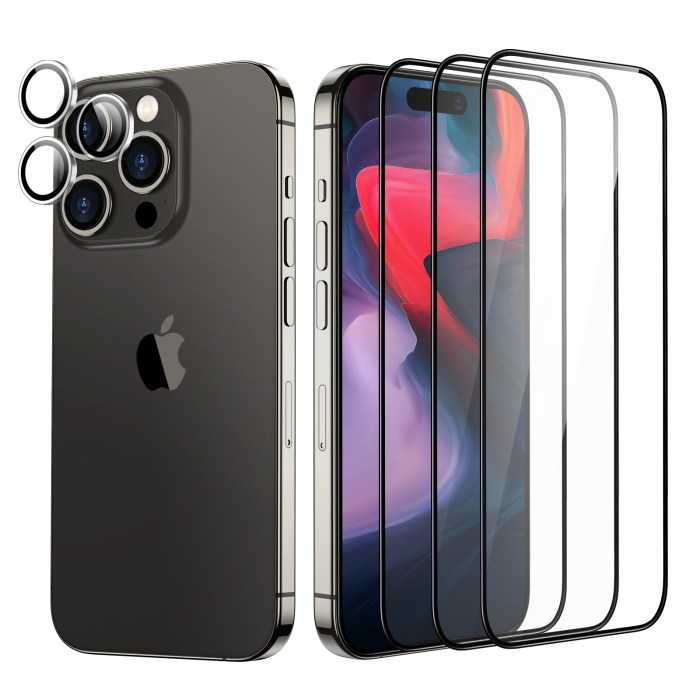
Call to Action
Ready to experience the iPhone? Explore the latest models and find the perfect iPhone for you at the official Apple website: Apple iPhone
FAQs
What types of materials are used in premium iPhone 15 screen protectors?
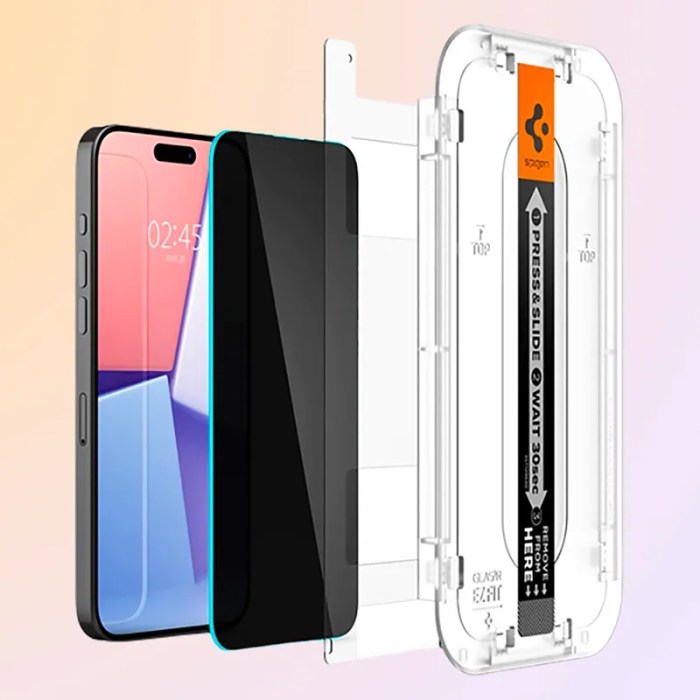
Premium screen protectors commonly utilize tempered glass, known for its strength and scratch resistance. Some also incorporate other materials for added protection or features.
How do I install an iPhone 15 screen protector properly?
Most premium screen protectors come with detailed instructions. Generally, cleaning the screen thoroughly before application is crucial. Careful alignment and smoothing out air bubbles are key to a successful installation.
Do premium screen protectors affect screen sensitivity?
High-quality screen protectors are designed to minimize impact on touch sensitivity. However, some minor differences may be perceived compared to using the screen without a protector.