
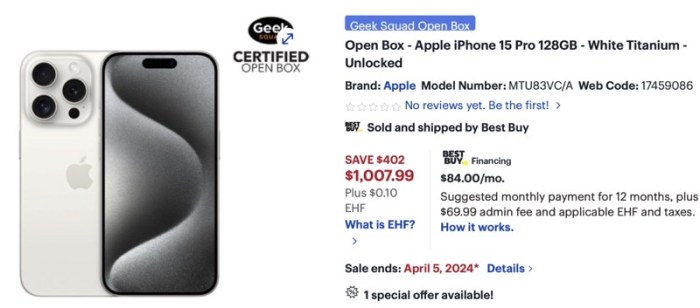
Certified refurbished iPhone 15 Pro models offer a compelling alternative to buying new. These devices undergo rigorous testing and refurbishment processes, ensuring they meet Apple’s high standards for quality and performance. This means you can enjoy the premium features of the iPhone 15 Pro at a more accessible price point, without compromising on functionality or reliability. We’ll explore the benefits, considerations, and what to look for when purchasing a certified refurbished iPhone 15 Pro.
Understanding the certification process is key. Reputable sellers provide detailed information about the refurbishment, including any repairs or replacements made. This transparency allows potential buyers to make informed decisions, knowing exactly what they are getting. Factors like battery health, cosmetic condition, and warranty coverage are crucial elements to examine before making a purchase.
The iPhone. A name synonymous with innovation, style, and a seamless user experience. Since its debut in 2007, the iPhone has revolutionized the mobile phone industry, setting the standard for smartphones globally. This comprehensive guide delves into the world of iPhones, covering everything from their history and features to choosing the right model and troubleshooting common issues. We’ll explore the latest models, compare them to Android devices, and provide valuable tips and tricks to maximize your iPhone experience.
A Brief History of the iPhone: From Revolution to Evolution
The original iPhone, launched by Steve Jobs in 2007, wasn’t just a phone; it was a paradigm shift. Its multi-touch interface, intuitive design, and App Store redefined what a mobile device could be. [Source: Apple Newsroom ]
Key Milestones in iPhone History:, Certified refurbished iPhone 15 Pro
- 2007: The original iPhone launches, introducing the world to the multi-touch interface.
- 2008: The iPhone 3G arrives, bringing 3G network connectivity.
- 2009: The iPhone 3GS improves speed and performance.
- 2010: The iPhone 4 introduces the Retina display.
- 2011: The iPhone 4S features Siri, Apple’s virtual assistant.
- 2012: The iPhone 5 introduces a taller screen and a Lightning connector.
- 2014: The iPhone 6 and 6 Plus mark a significant design change with larger screens.
- 2017: The iPhone X introduces Face ID and an edge-to-edge display.
- 2023: The iPhone 14 series builds upon previous innovations with improved cameras and performance.
From its humble beginnings, the iPhone has continuously evolved, incorporating advancements in processing power, camera technology, display quality, and software features. Each generation has built upon the successes of its predecessors, resulting in the sophisticated devices we know today. This constant evolution is a testament to Apple’s commitment to innovation and user experience.
Choosing the Right iPhone for You: Models and Features: Certified Refurbished IPhone 15 Pro
With a wide range of models available, selecting the perfect iPhone can seem daunting. Consider these factors when making your decision:
Key Factors to Consider When Buying an iPhone:
- Budget: iPhones range in price, from budget-friendly older models to the flagship latest releases. Determine your price range before you begin your search.
- Screen Size: iPhones come in various screen sizes, from compact models like the iPhone mini to larger displays on the Plus or Max models. Consider your preference for one-handed usability versus a larger viewing area.
- Storage Capacity: Choose a storage capacity that suits your needs. Consider the amount of photos, videos, apps, and other data you plan to store on your device.
- Camera System: The iPhone’s camera system is a major selling point. Consider the camera features and quality, especially if photography or videography is important to you. Look at megapixels, low-light performance, and video recording capabilities.
- Processing Power: The processor significantly impacts performance and app responsiveness. Newer models generally offer faster processing speeds and improved efficiency.
- Cellular Connectivity: Ensure the model supports the cellular network in your region. Consider 5G capabilities for faster download and streaming speeds.
iPhone vs. Android: A Detailed Comparison
The iPhone and Android platforms represent the two dominant forces in the smartphone market. While both offer robust features and functionalities, they differ significantly in several key aspects:
Key Differences Between iPhone and Android:
- Operating System: iPhones run on iOS, while Android devices utilize the Android operating system. iOS is known for its simplicity and user-friendliness, while Android offers greater customization options.
- App Ecosystem: Both platforms boast vast app stores, but the App Store is generally considered to have a more curated selection with stricter quality control. The Google Play Store offers a wider variety of apps but may include some less-reliable options.
- Hardware Integration: Apple designs both the hardware and software for iPhones, resulting in a highly integrated and optimized experience. Android devices are manufactured by various companies, leading to a wider range of hardware specifications and designs.
- Price: iPhones generally sit at the higher end of the price spectrum compared to many Android devices, offering premium features and build quality.
- Customization: Android offers significantly more customization options, allowing users to personalize their home screens, widgets, and overall device appearance. iOS provides a more streamlined and consistent experience.
Mastering Your iPhone: Tips, Tricks, and Troubleshooting
Once you own an iPhone, maximizing its potential requires understanding its features and capabilities. Here are some helpful tips and tricks:
iPhone Tips and Tricks:
- Utilize Siri: Siri can perform various tasks, from setting reminders to making calls and sending messages.
- Master the Control Center: Quickly access settings like Wi-Fi, Bluetooth, and brightness through the Control Center.
- Explore Accessibility Features: iPhones offer a range of accessibility features to cater to diverse needs.
- Optimize Battery Life: Manage your battery life by adjusting settings like screen brightness and background app refresh.
- Use iCloud for backups: Regularly back up your data to iCloud to protect against data loss.
Troubleshooting Common iPhone Issues:
- Slow Performance: Restart your device, update your software, and delete unused apps to improve performance.
- Battery Issues: Check your battery health, optimize settings, and consider replacing your battery if necessary.
- Software Glitches: Update your iOS to the latest version to fix bugs and improve stability.
- Connectivity Problems: Restart your device, check your network settings, and ensure your Wi-Fi or cellular data is enabled.
Frequently Asked Questions (FAQ)
- Q: What is the difference between iPhone models? A: Different iPhone models vary in screen size, camera capabilities, processing power, storage capacity, and price. Choosing the right model depends on your individual needs and budget.
- Q: How often should I update my iPhone software? A: It’s recommended to update your iPhone software regularly to benefit from security updates, bug fixes, and new features.
- Q: How can I improve my iPhone’s battery life? A: Reduce screen brightness, limit background app activity, and disable features you don’t need to extend battery life.
- Q: What should I do if my iPhone is slow? A: Restart your device, update your software, delete unused apps, and consider resetting your device as a last resort.
- Q: How do I back up my iPhone data? A: Use iCloud or iTunes to back up your data regularly to prevent data loss.
Conclusion
The iPhone’s journey from a revolutionary device to a ubiquitous symbol of technological advancement is a testament to its enduring appeal. Understanding its history, features, and capabilities empowers you to make an informed decision and maximize your iPhone experience. Whether you’re a seasoned user or a prospective buyer, this comprehensive guide provides valuable insights into the world of iPhones.
Call to Action
Ready to experience the power and elegance of an iPhone? Explore the latest models and find the perfect iPhone for you today! [Link to Apple Website]
Q&A
What is the warranty on a certified refurbished iPhone 15 Pro?
Warranty periods vary by seller but typically range from 90 days to one year. Check the seller’s specific warranty details.
Are certified refurbished iPhones unlocked?
This depends on the seller and the specific phone. Some may be carrier-locked, while others are unlocked and compatible with various networks. Always confirm this detail before purchase.
How do I know if a seller is reputable?
Look for sellers with positive customer reviews, clear return policies, and detailed descriptions of the refurbishment process. Established retailers often offer more robust guarantees.
What is the difference between a certified refurbished and a used iPhone?
Certified refurbished iPhones undergo a more rigorous inspection and repair process than typical used phones. They are often restored to like-new condition and come with a warranty.